
 By Cahyo Budi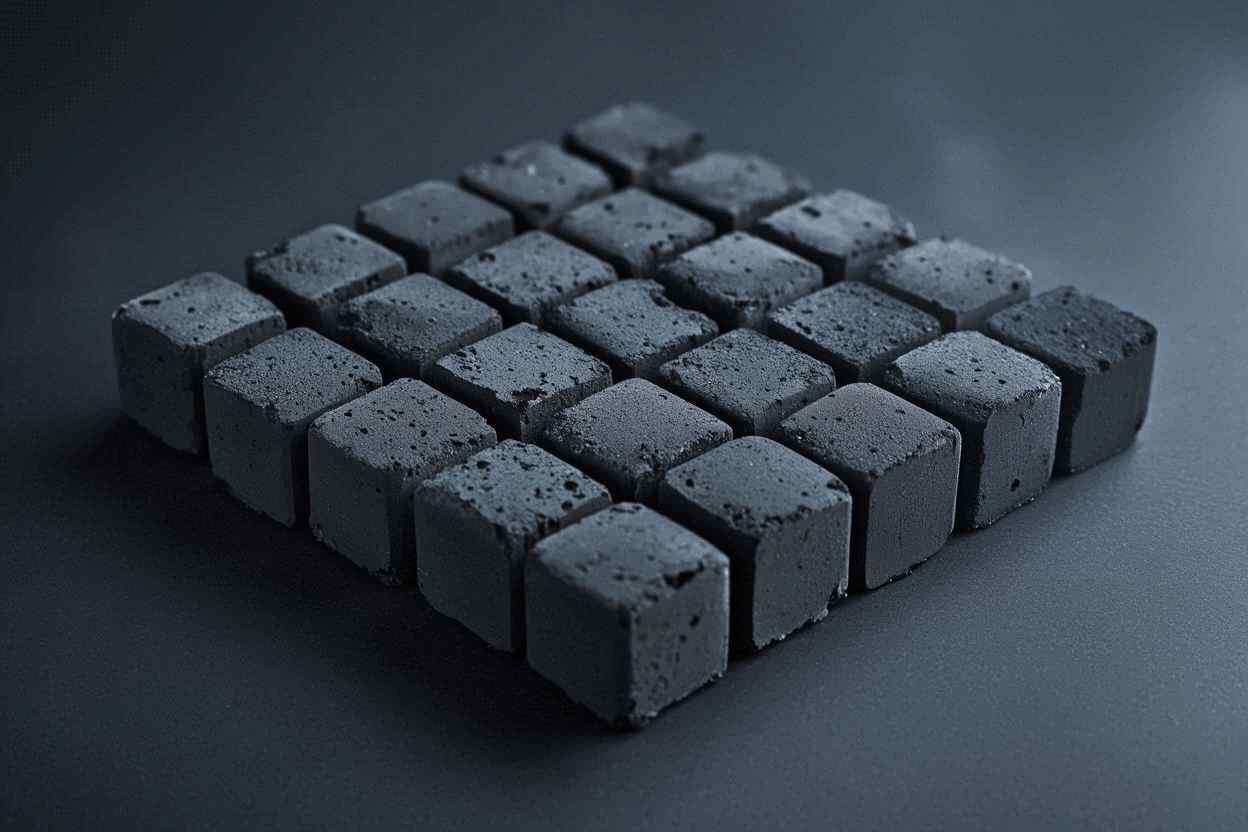
Coconut charcoal for hookah smoking performance has become a key factor in determining the quality of a hookah session. Users who want stable heat, clean smoke, and longer sessions rely on high-quality coconut charcoal instead of traditional alternatives.
Manufacturers produce coconut charcoal from compressed coconut shells, creating dense briquettes with high carbon content. This structure allows the charcoal to burn evenly and deliver consistent heat throughout the session.
To explore more about its advantages, you can visit low ash coconut charcoal for hookah and access further details at basebisnis.com.
Why Coconut Charcoal Improves Hookah Performance
Coconut charcoal improves hookah performance because it produces stable heat and minimal ash. Users can maintain better temperature control and avoid sudden heat drops during sessions.
High carbon content allows the charcoal to burn longer and release heat gradually. This helps heat the tobacco evenly and prevents overheating. In addition, low ash production keeps airflow smooth and prevents blockage inside the bowl, which supports consistent smoke output.
- Stable and consistent heat
- Minimal ash buildup
- Better airflow control
- Improved session stability
Key Performance Factors of Coconut Charcoal
Several factors determine how well coconut charcoal performs during hookah use. These factors directly affect heat efficiency and user experience.
1. High Carbon Content
Producers create coconut charcoal with high fixed carbon, often reaching up to 85–90 percent. This allows the charcoal to burn longer and produce steady heat output.
Higher carbon content also reduces volatile compounds, resulting in cleaner combustion and better performance.
2. Low Ash Production
Coconut charcoal typically produces less than 2–3 percent ash, which keeps the hookah setup cleaner and more efficient.
Lower ash levels help maintain airflow and reduce interruptions during sessions.
3. Heat Stability
Dense briquettes maintain consistent temperature without sudden spikes. This ensures smooth smoke and better flavor control.
Stable heat prevents tobacco from burning too quickly, allowing longer and more controlled sessions.
4. Long Burning Duration
Coconut charcoal can burn for up to 60–120 minutes depending on quality and size. This reduces the need for frequent replacement.
Longer burn time improves efficiency, especially for commercial hookah lounges.
Impact on Smoking Experience
Coconut charcoal directly improves the overall smoking experience by delivering clean and stable combustion. Users can enjoy smoother smoke without unwanted odors or harshness.
Because the charcoal burns cleanly, it does not interfere with the natural flavor of shisha. This allows users to experience more accurate taste profiles during each session.
Low ash also reduces maintenance, allowing users to focus on the session instead of constantly cleaning or adjusting charcoal.
Comparison with Other Charcoal Types
Compared to wood charcoal or quick-light charcoal, coconut charcoal delivers better performance in almost every aspect. It burns longer, produces less ash, and maintains more stable heat.
Other charcoal types often burn faster and create more residue, which disrupts airflow and reduces efficiency.
As a result, many users and professionals choose coconut charcoal as the standard for hookah use.
Conclusion
Coconut charcoal for hookah smoking performance offers clear advantages in heat stability, low ash production, and long burning duration. These factors directly improve session quality and efficiency.
By choosing high-quality coconut charcoal, users can achieve better heat control, cleaner smoke, and more consistent hookah sessions.
